
Niall J Miller
Astronomer
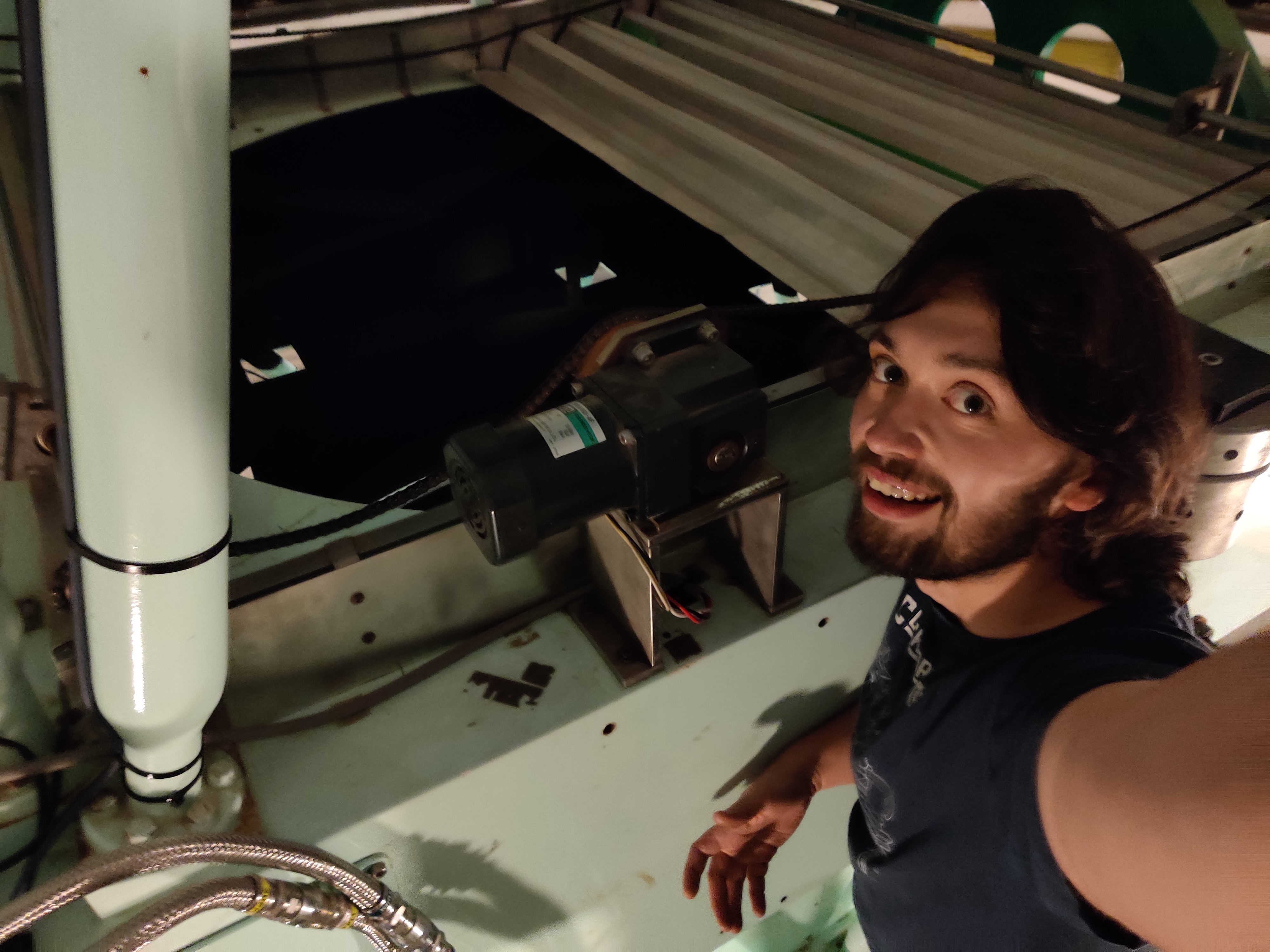
I am an astronomer working in galactic astronomy. I develop techniques to more robustly and completely study variable stars.
Bio
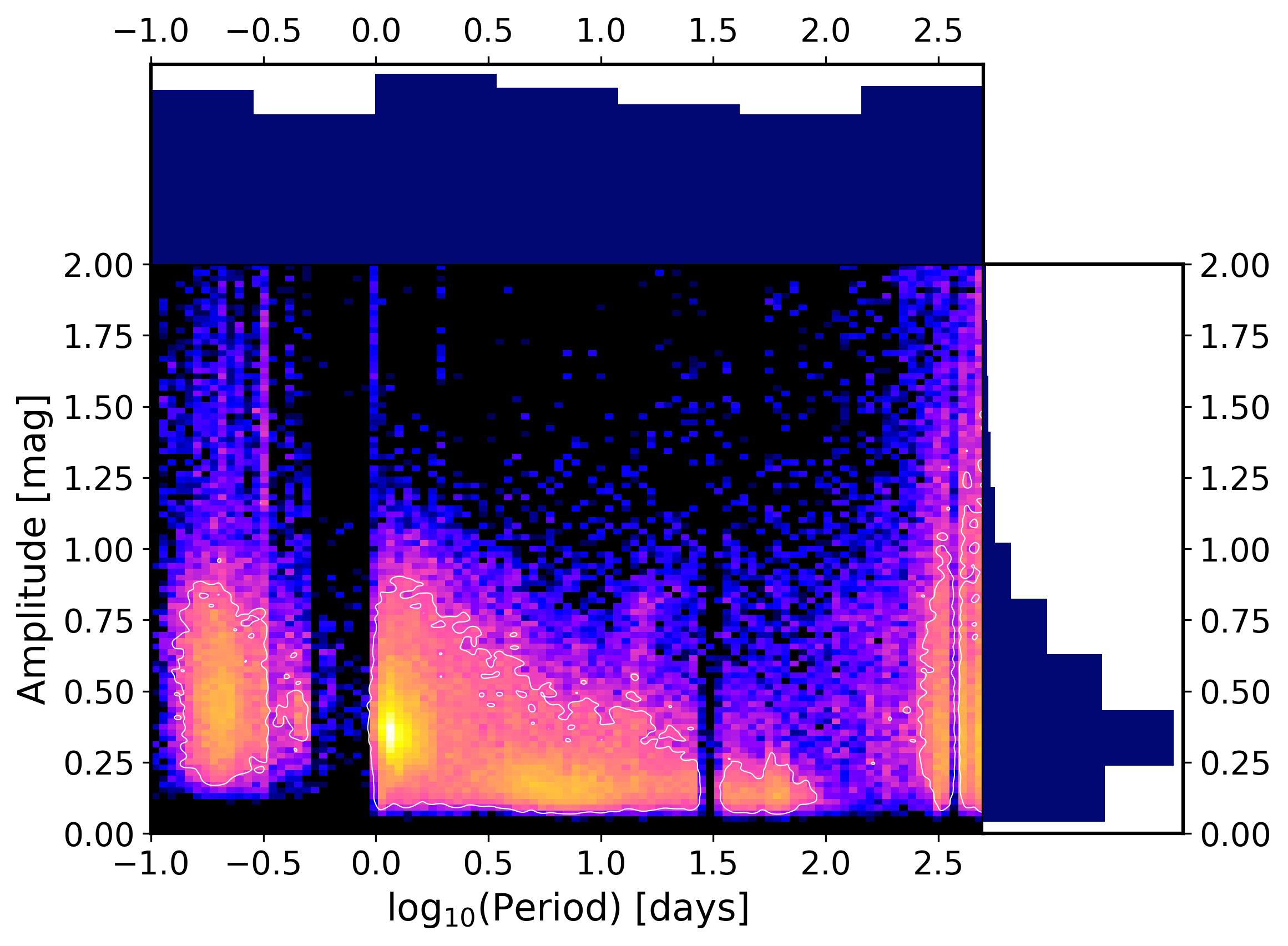
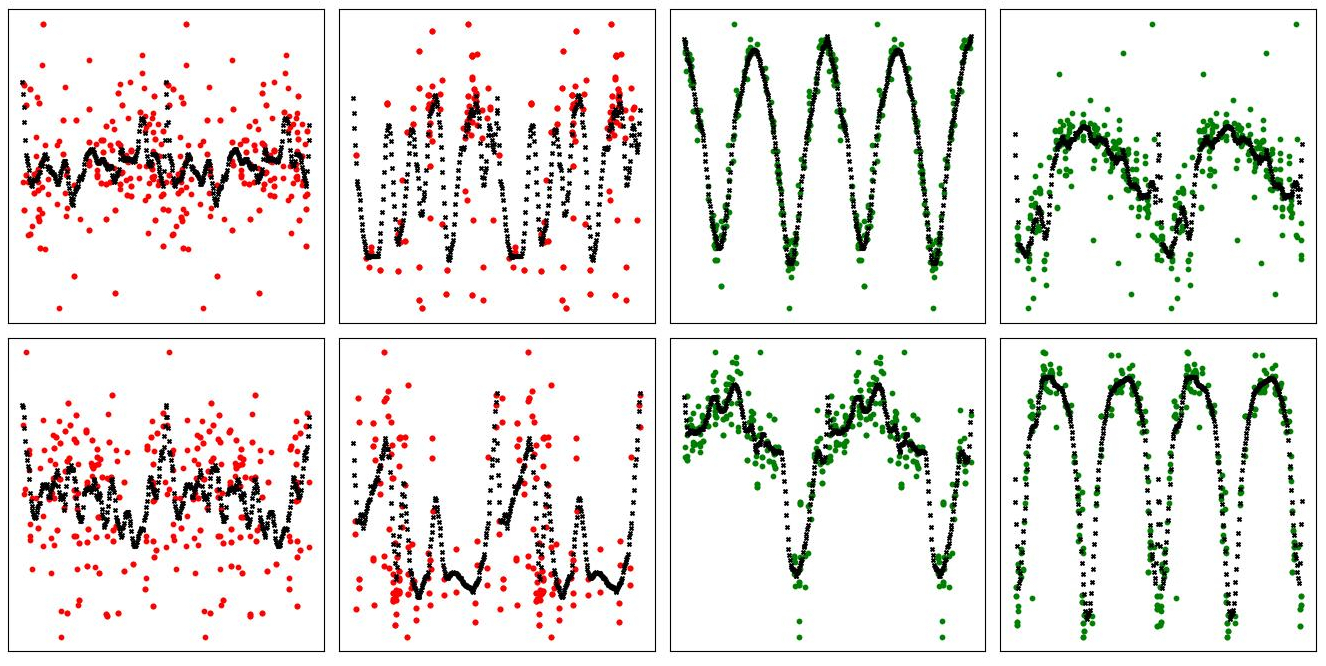
My research focuses on stars whose brightness varies with time, particularly periodic variable stars and related phenomena in stellar and galactic astronomy (YSOs, eruptive sources, and Galactic structure). I am the creator of PRIMVS, the largest and most complete catalogue of infrared periodic variable stars, built with machine learning pipelines on distributed computing systems. My work spans the development of new AI techniques for robustly detecting and classifying variable stars, advancing galactic chemical evolution models, and contributing to open-source astrophysics codes.
I completed my undergraduate and master's degrees at the University of Kent (including a year abroad at Indiana University) and received my PhD from the University of Hertfordshire in 2024 with a thesis on Exploring the Infrared Variable Sky with Machine Learning. I am now a Postdoctoral Associate in Prof. Meridith Joyce's lab at the University of Wyoming — arguably one of the prettiest locations of a university.
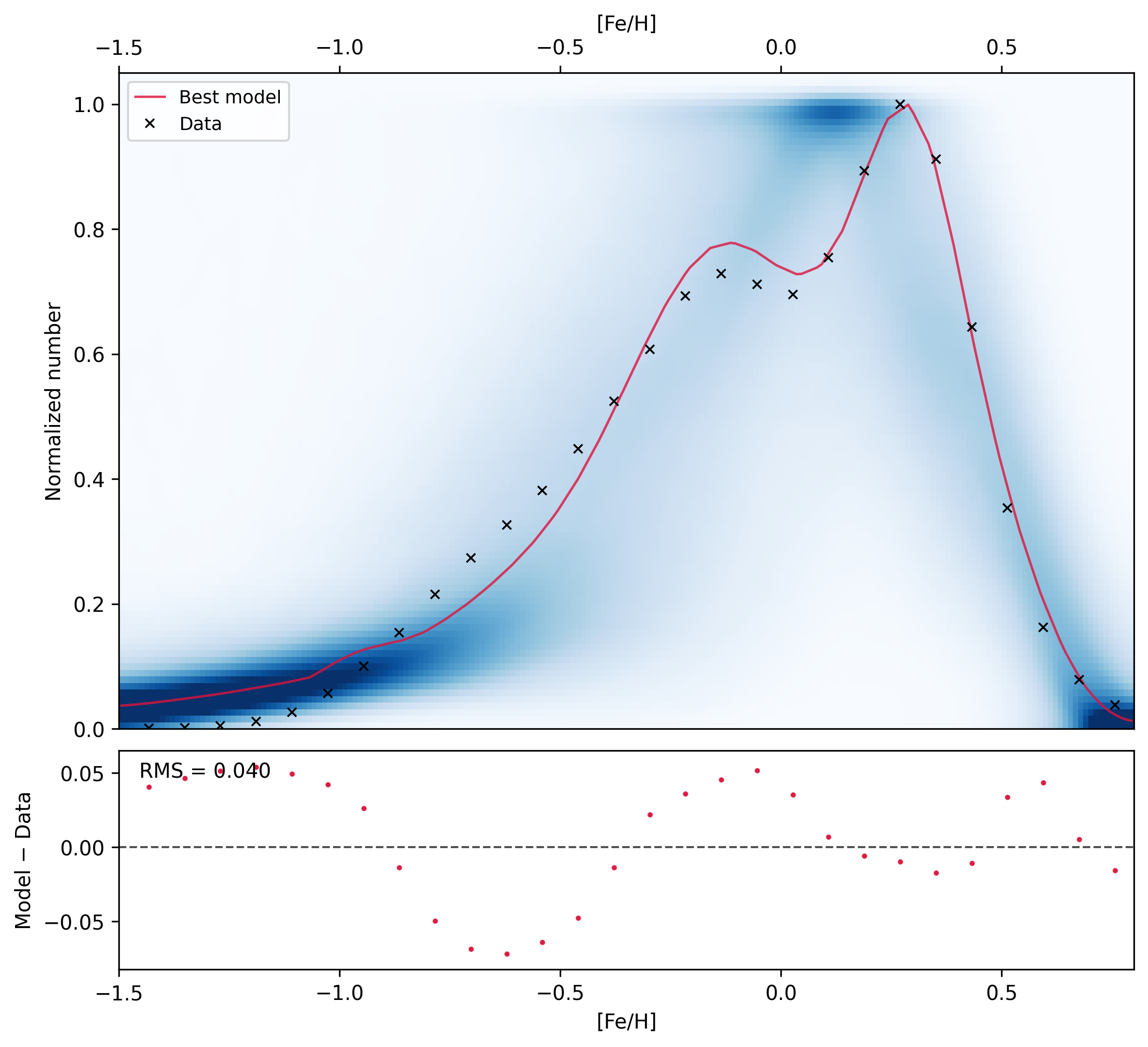
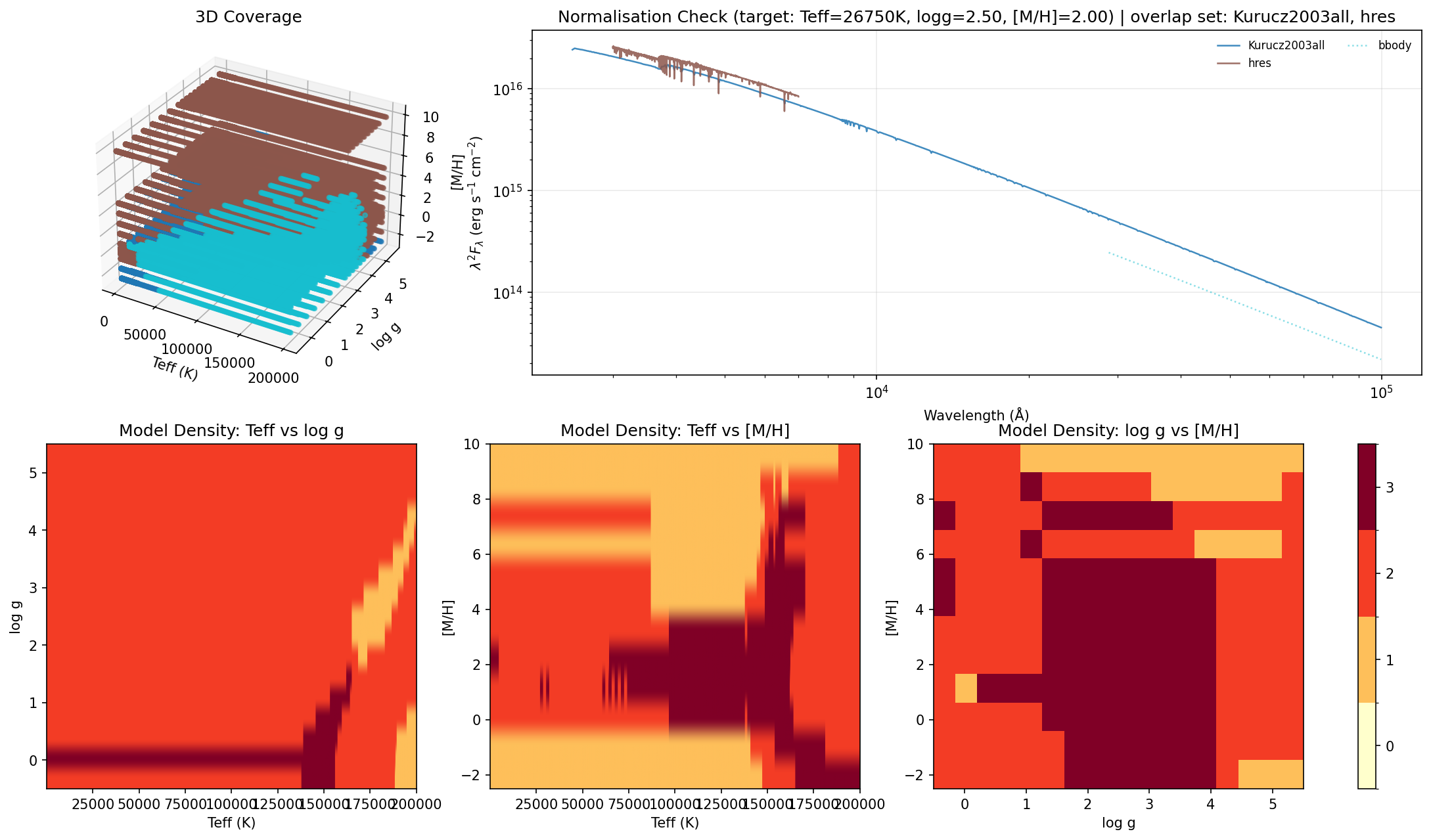
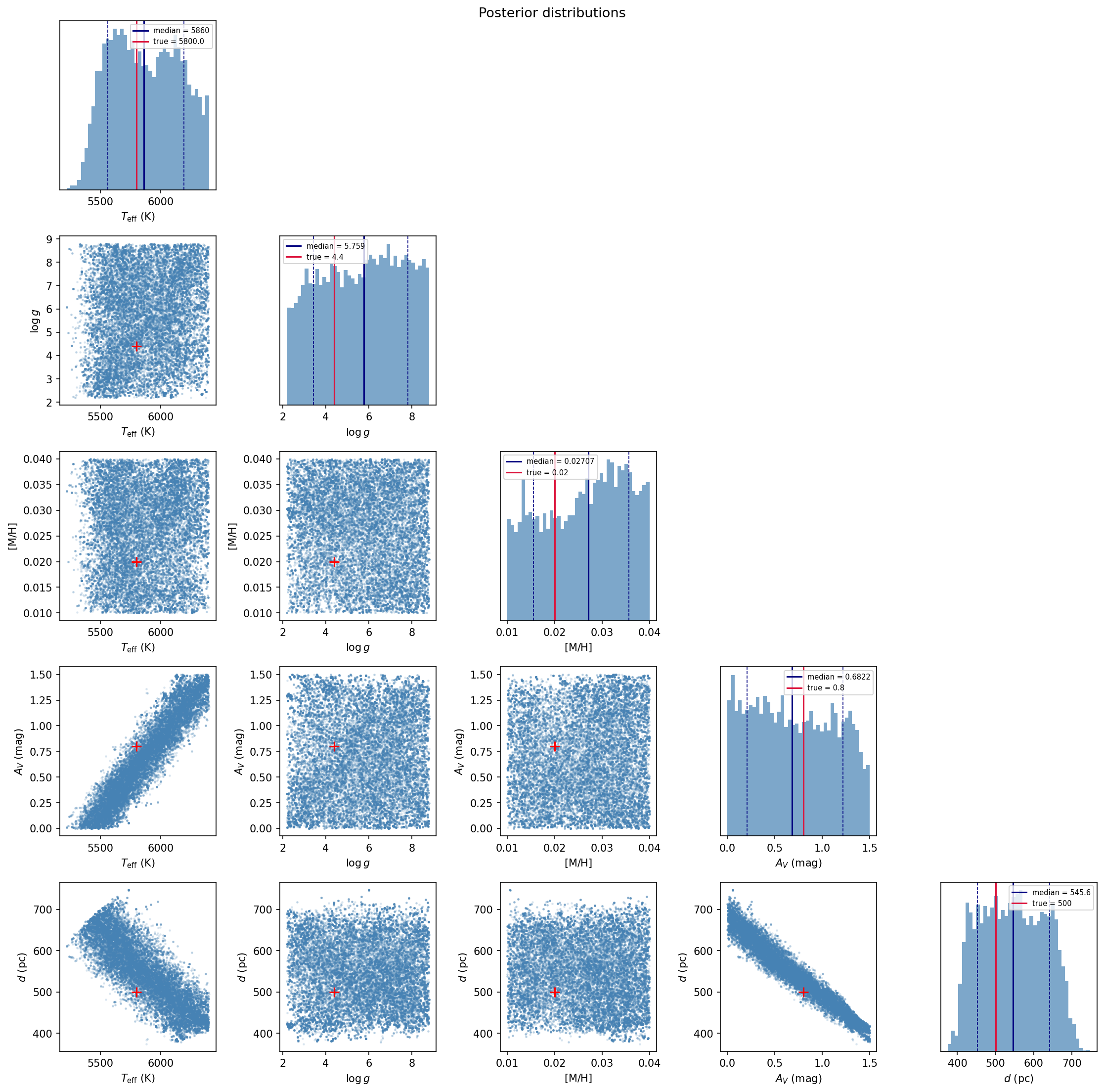
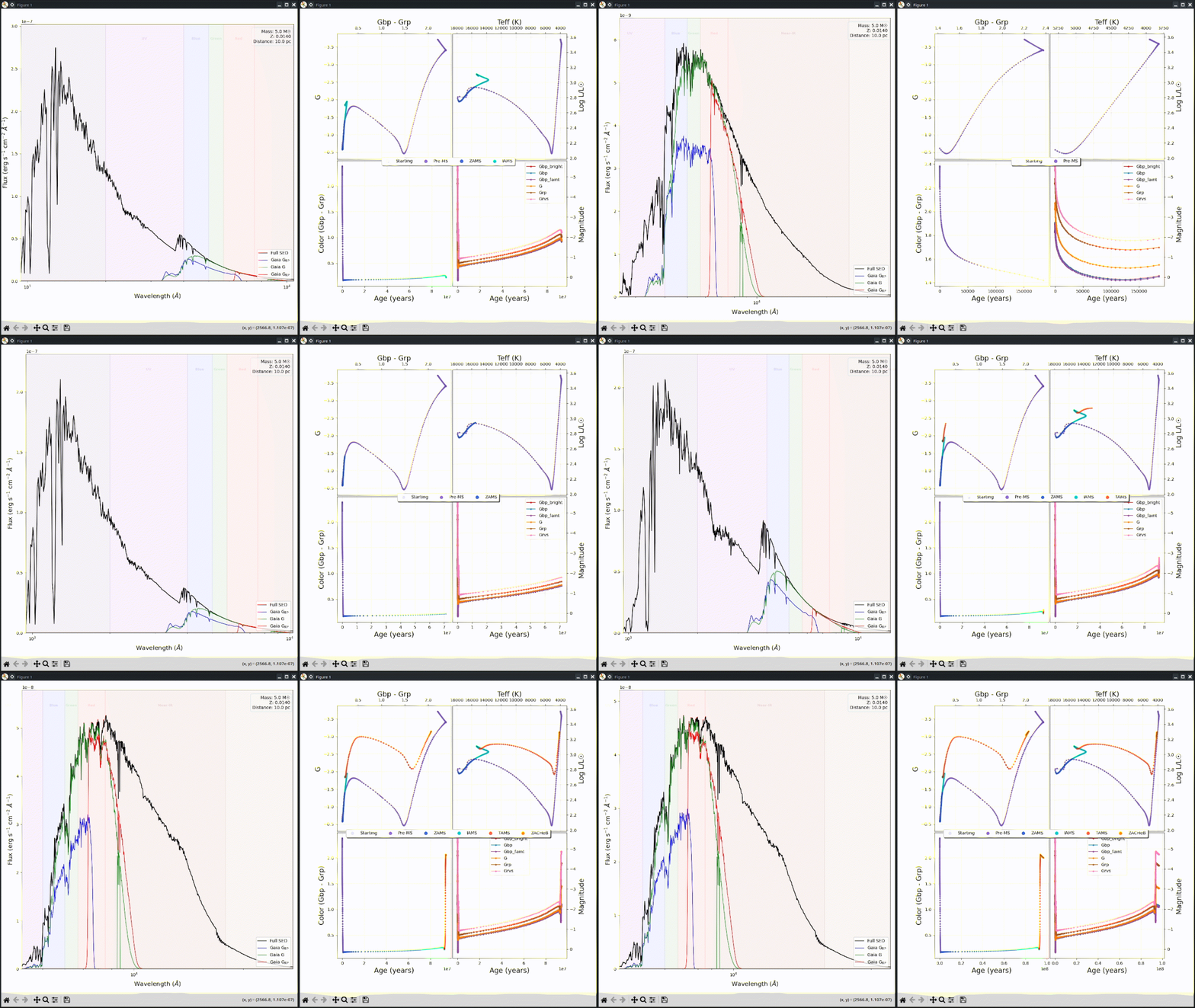
At Wyoming, I have led projects on MESA Custom Colors, a flagship module for the MESA stellar evolution code, which I developed to enable real-time synthetic photometry with Vega zero-point calibration and filter convolution. I also design HPC-driven optimization pipelines for Galactic Chemical Evolution models of the Milky Way bulge, integrating genetic algorithms with physics-informed loss functions. Beyond stellar evolution, I collaborate on self-supervised learning for archaeological LIDAR data and on novel methods for period finding in TESS light curves. My work bridges high-performance computing, astrophysics, and AI at scale. MESA is not the only way to do synthetic photometry. You can also try SED_Model. This allows you to calculate the same synthetic photometry using the exact same fortran files. This time wrapped in Python for ease of use.
I am a developer for the MESA Collaboration, I actively contribute to the VVV Survey science products, and international astronomy workshops. My publications include work in MNRAS, A&A, and ApJ (in prep), spanning topics from neural-network false alarm probabilities, to eruptive young stars, to Galactic archaeology. I also co-authored and taught at the MESA Summer School 2025, writing Lab 1 and bonus computing tasks and debuting the Custom Colors module.
Outside of research, I like to make things — guitars, mini-fridges, or full-scale projects with Raspberry Pis and servers. I maintain my own Fedora-based web and data infrastructure, and I have built projects ranging from automated weather stations with neural network forecasts to greenhouse management systems. I am also the producer and other half of “Hyperfine”, the electronic(?) band(?). Our track Can you please stop asking? was named BBC Introducing Producer of the Week and still surfaces in Twitch streams and mid-tier commentary YouTube videos.
Index


nmille39 [at] uwyo.edu
niall.j.miller [at] gmail.com